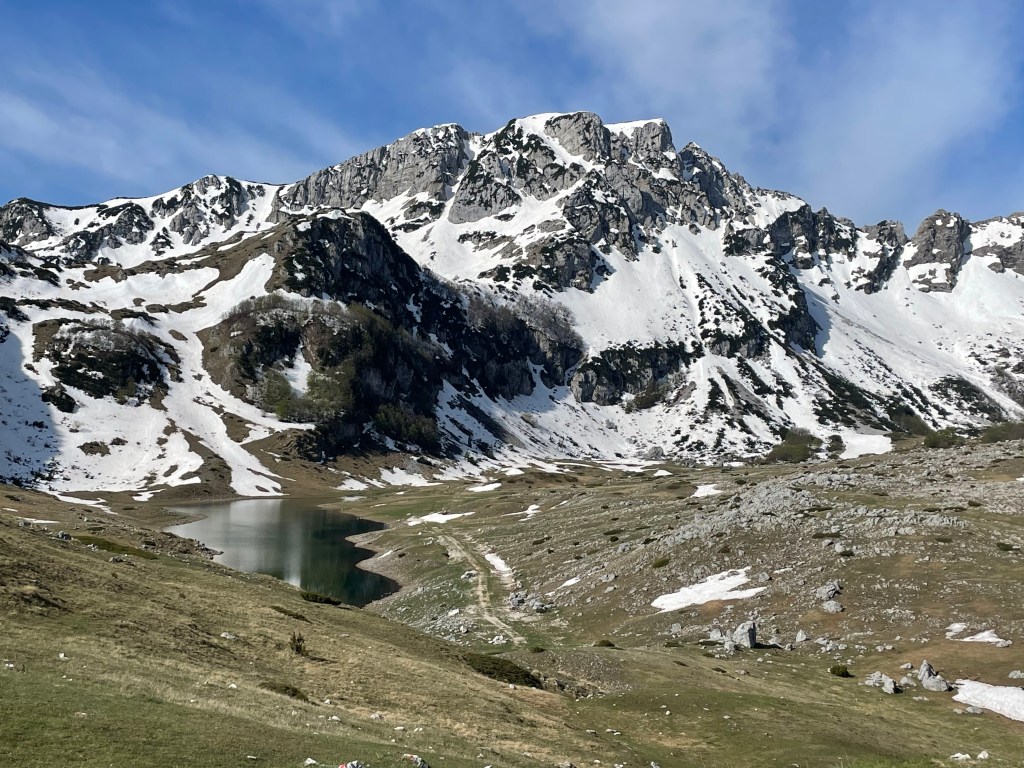
Montenegro’s Durmitor National Park feels a bit like a miniature Rocky Mountain National Park — alpine meadows, pine forests, glacial lakes, scenic drives, and trailheads leading in every direction. For American travelers, the comparison is a useful starting point.
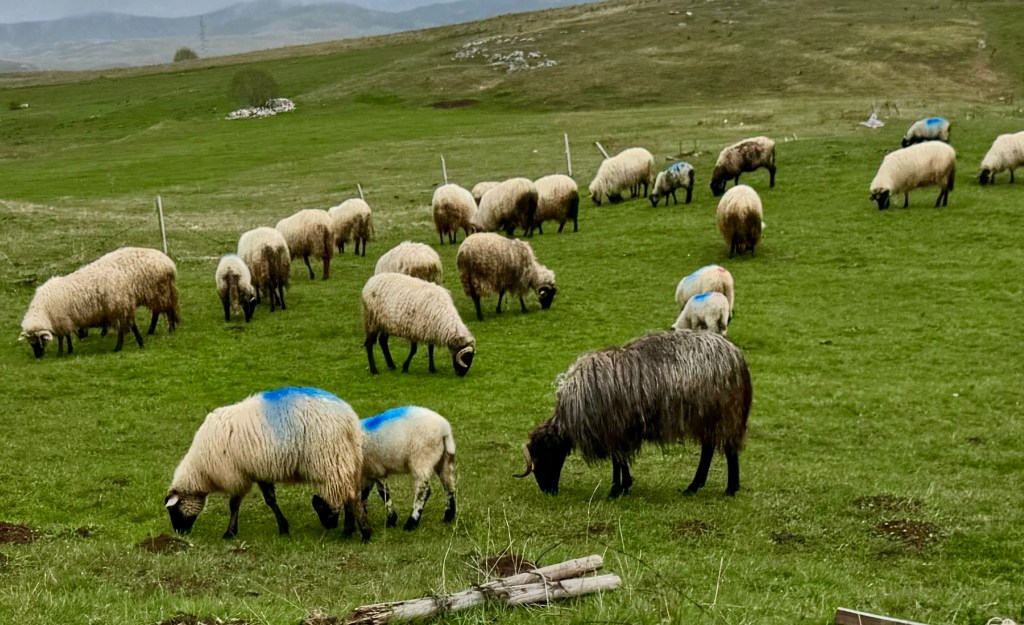
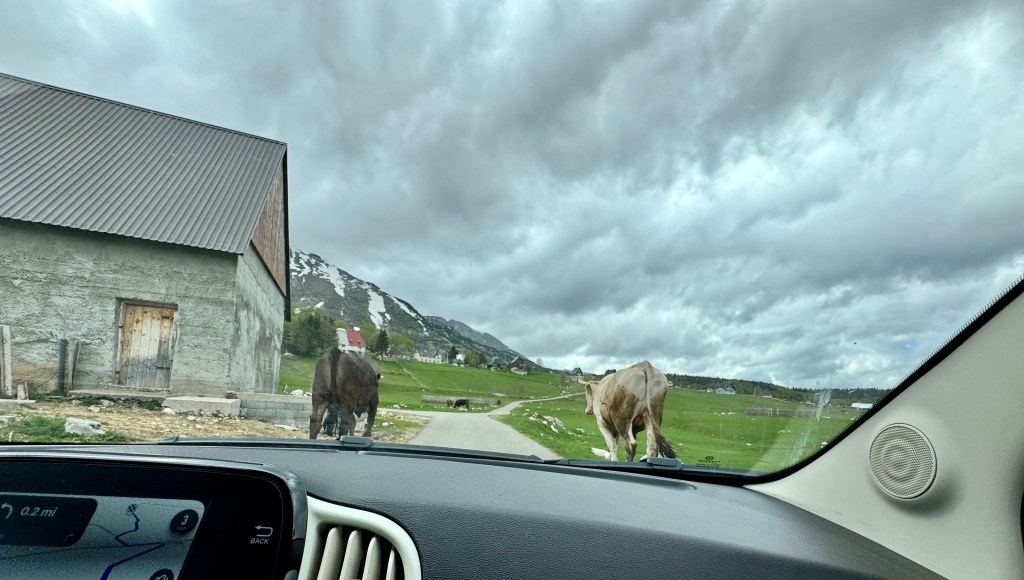
But the similarities only go so far. Durmitor has far fewer tourists, narrower roads with almost no safety barriers, and villages with wandering farm animals woven into the landscape. It feels less like a carefully managed recreation area and more like a mountain region that people still actually live in — which, depending on your travel style, is either a feature or a warning.
Who It’s For
The park draws serious outdoor adventurers — hikers, rafters, cyclists, kayakers, and those willing to try canyoning, ziplining, or paragliding. But you don’t need an adrenaline agenda to enjoy it. Short walks, mountain viewpoints, scenic drives, and a handful of medieval ruins make it easy to experience the area at a slower pace. This is one of those destinations where different generations can enjoy entirely different versions of the same trip.
Where to Stay
Žabljak is the closest town and the practical base for the park — groceries, gas stations, restaurants, and a range of lodging options are all here. But I’d personally skip staying in town itself. Žabljak is in the middle of a building boom that undercuts the atmosphere of an alpine escape, and the charm hasn’t quite caught up with the construction yet.
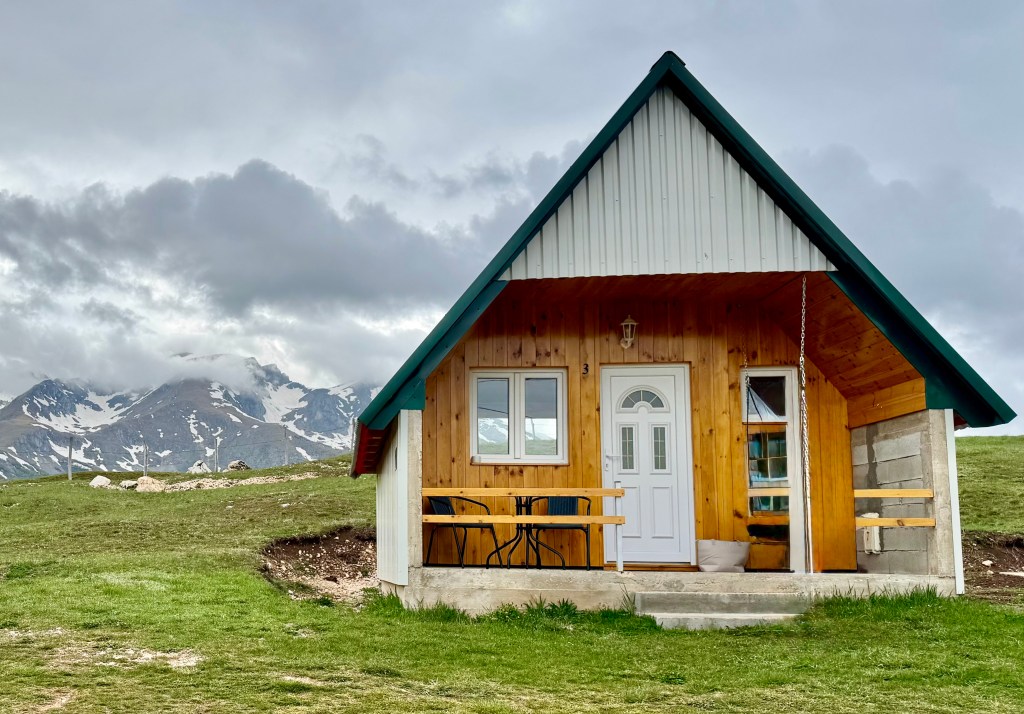
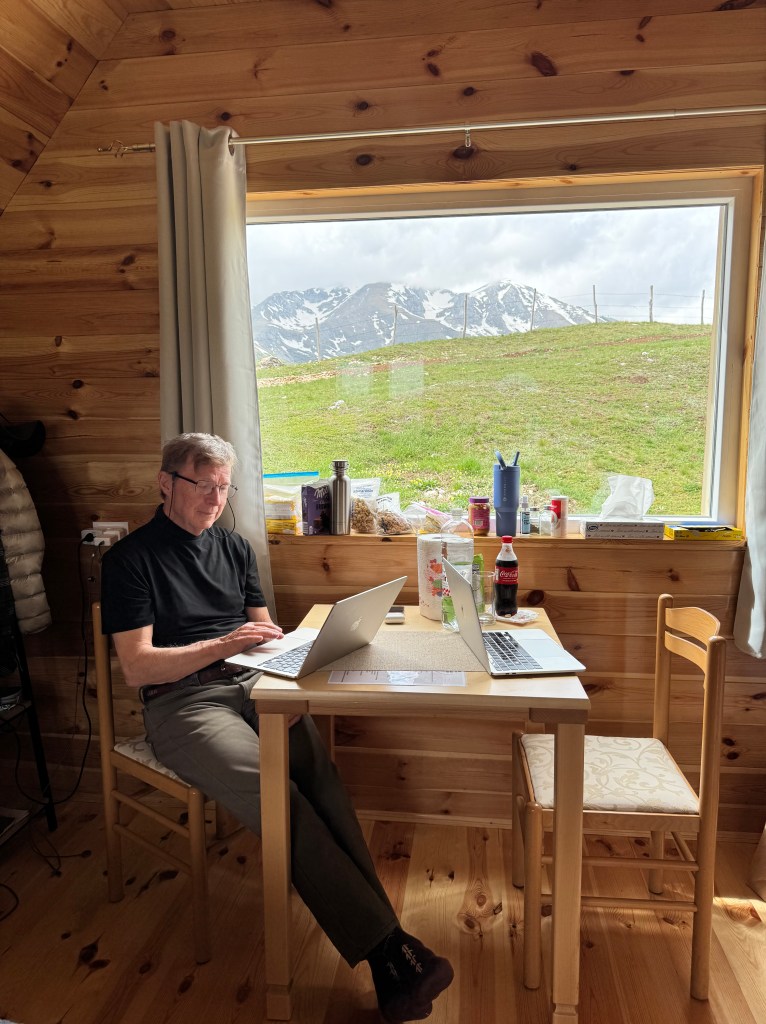
Instead, look at the countryside rentals scattered outside town. We stayed in an A-frame cabin with a porch and a direct view of the mountains — and spent more time than we expected watching for sheep and the occasional loose horse. That felt far more like the trip we had come for than anything in town would have.
When to Go
Summer is the main season, when all activities and scenic drives are fully accessible. Winter brings low-key skiing. May and September offer a quieter experience, though some higher mountain routes don’t open until June and may close again by October depending on snow.
We visited in May and were disappointed that the Durmitor Ring Road wasn’t open yet — but the wildflowers, lighter crowds, and snow still visible on the higher peaks made it easy to forgive.
How Long to Stay
Three nights is the minimum I’d recommend to make the drive worthwhile. The park rewards unhurried exploration, and the best moments — a mountain lake with no one else around, sheep blocking a one-lane road, the light on the peaks at dusk — tend to come when you’re not rushing.
What to Do
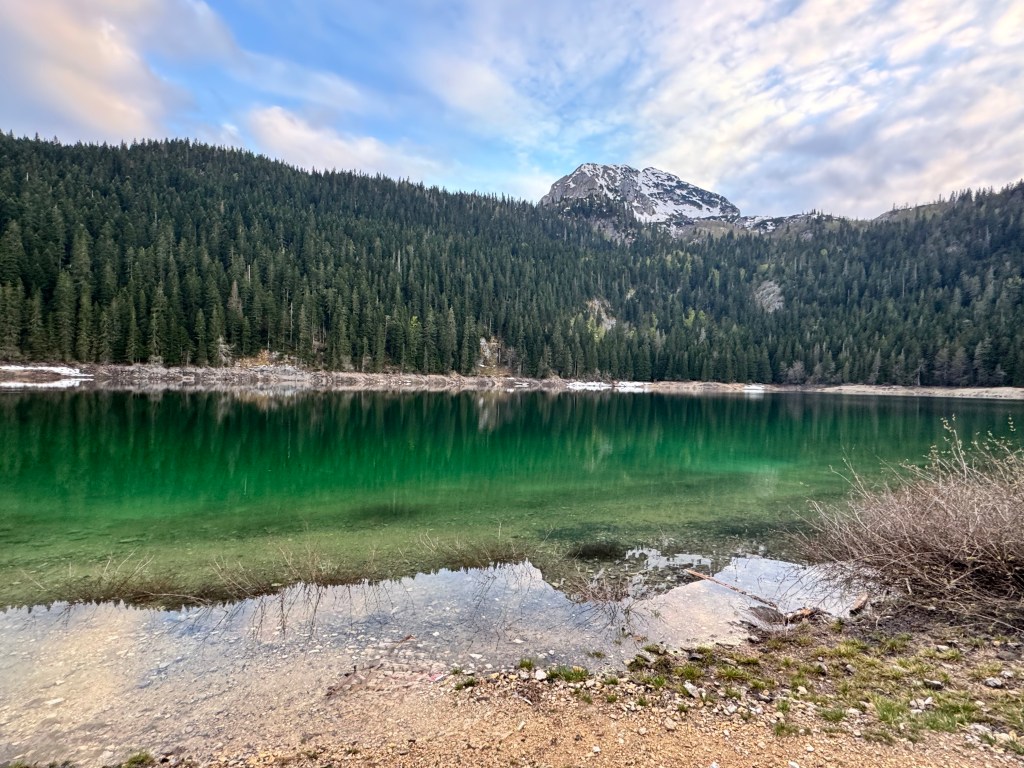
Hike Black Lake at sunset. The park’s most accessible glacial lake is beautiful at any hour, but the late light on the surrounding peaks turns it into something worth planning around. The loop trail is easy and short enough that you won’t need hiking boots — just comfortable shoes and enough time to linger. One note: when you reach the sign marked “Dangerous Trail,” take it seriously and turn back. Unless rappelling down slick rocks is your idea of a good time, the loop you’ve already done is the trip.
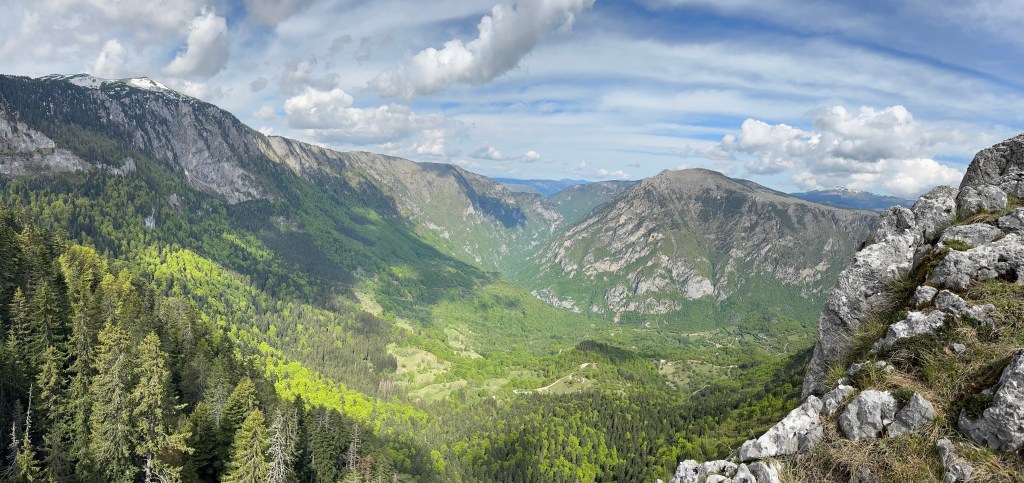
Drive to the Tara Canyon overlook. The Tara River Canyon is one of the deepest in Europe, and the overlook gives you a sense of its scale that photos don’t quite capture. It’s an easy stop, and if you’re leaving the park via the Đurđevića Tara Bridge, you can combine both in one morning.
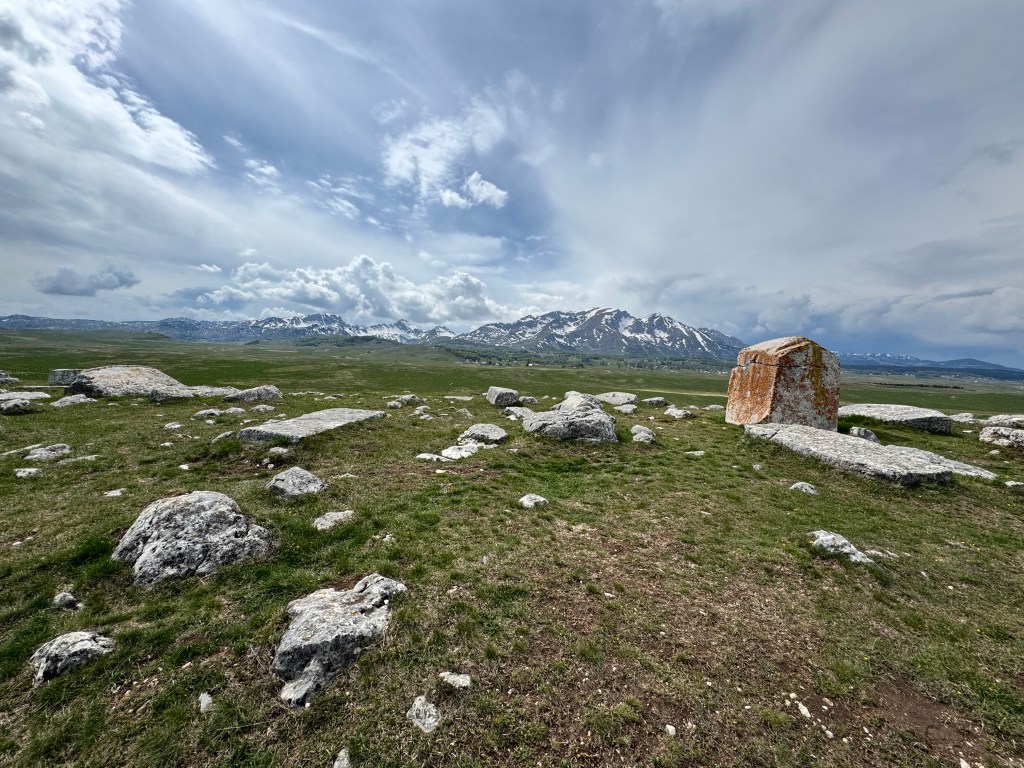
Find the Stećci and look for katuns. Scattered across the region are Stećci — medieval monumental tombstones that are a UNESCO World Heritage Site. They’re easy to miss if you don’t know to look, but finding them tucked into the landscape feels like a genuine discovery rather than a tourist stop.
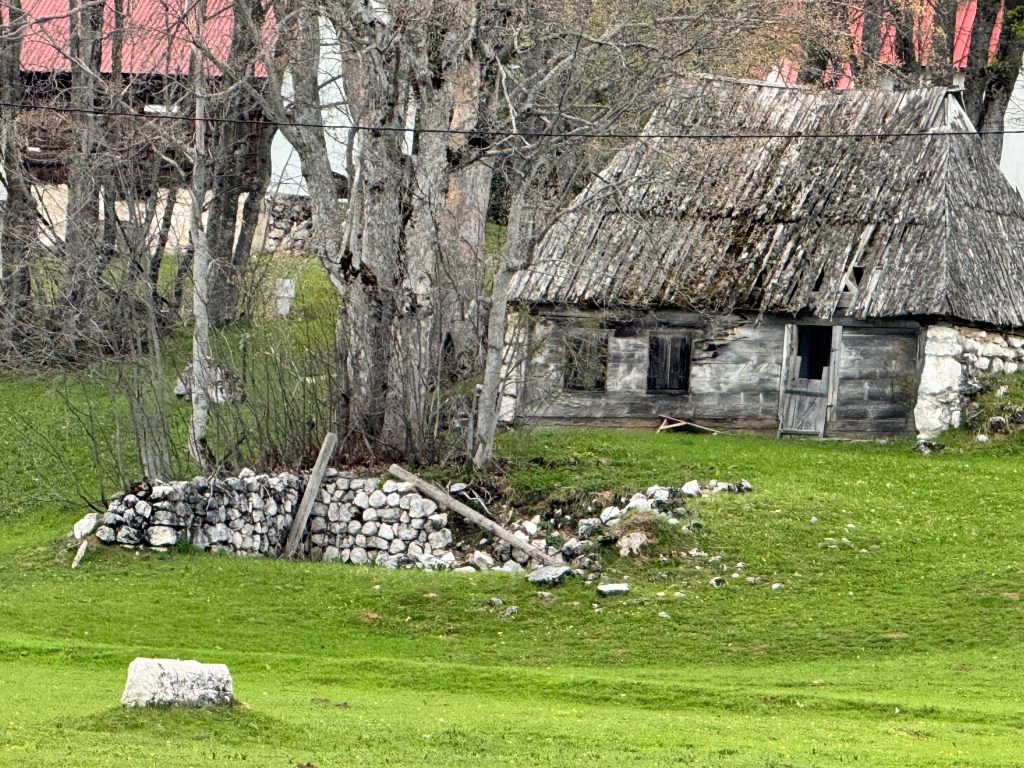
Keep an eye out too for katuns — the traditional wooden shepherd huts used during the summer grazing season. Some are still active, occupied by farming families moving their flocks to higher pastures. Others have been abandoned, preserved as cultural sites, or converted into rustic restaurants and guest accommodations. The distinctive A-frame architecture makes them easy to spot once you know what you’re looking for — and the collapsed ones are as photogenic as the restored ones.
Eat somewhere local. We stumbled into a small restaurant serving goulash that turned out to be one of the better meals of the trip. Žabljak has enough options that you don’t need to plan this in advance — just avoid the obvious tourist-facing places near the main square and you’ll likely do well.
What Not to Do
Don’t attempt the Durmitor Ring Road without checking conditions first. The Ring Road is a scenic mountain loop that, when fully open, is reportedly spectacular. When we tried it in May, we got several kilometers in before realizing the road was still closed for the season. We backed our tiny Fiat down a narrow mountain track with no guardrails and counted ourselves lucky. The RVs ahead of us had to reverse the entire length of the road. Check conditions locally before you go, and if you’re visiting before June, assume it may not be open.
Don’t stay in Žabljak if you can avoid it. See the Where to Stay section above — the countryside rentals outside town are worth the extra few minutes of driving.
Don’t underestimate the roads. Montenegro’s mountain roads are narrow, steep, and largely unguarded. If you’re accustomed to well-maintained highways, budget extra time and mental energy for driving here. A smaller rental car is not a disadvantage.
The Bottom Line
For independent travelers who care more about scenery than shopping or resort amenities, Durmitor is one of the more rewarding detours in the Balkans. It’s not for everyone — but for the right traveler, that’s exactly the appeal.
 We Planned You Pack
Leave a comment